GSA SER Global Site List
What Is a GSA SER Global Site List?
If you’ve spent any time around automated link building, you’ve almost certainly heard of GSA Search Engine Ranker. It’s the powerhouse software that can post content, create accounts, and build backlinks on autopilot. But out of the box, GSA SER needs one critical ingredient to perform: targets. That’s where a GSA SER global site list comes into play. A global site list is simply a pre‑compiled, massive collection of websites that accept various types of submissions – think directories, social bookmarks, blog comments, Web 2.0 platforms, article directories, wiki pages, and forums. Instead of scraping targets from scratch or relying on the built‑in search engines alone, you load a verified list and let the software do what it does best: post.
Why You Need a High‑Quality Verified List
Running GSA SER without a solid target list is like having a sports car with no tires. The engine will roar, but you won’t get anywhere meaningful. A properly curated GSA SER global site list solves several problems at once.
It Saves Weeks of Scraping Time
GSA SER can scrape targets using keywords and search engines, but the process is slow, burns proxies, and often catches temporary or dead URLs. A verified list hands you hundreds of thousands of live targets instantly. Instead of waiting days for the tool to build a footprint, you can start running verified campaigns within minutes of import.
Dramatically Higher Submission Rates
Most global lists are pre‑checked for platform types, registration success, and posting eligibility. When you import a list that has already been filtered for dead sites, closed registration, or nofollow‑only engines, your verified and submission rates jump significantly. You spend less time burning through IP addresses on timeouts and 404 errors, and more time building actual links.
Diverse Platform Coverage Right Away
A well‑organized global site list isn’t just a dump of random URLs. It segments targets by engine type. You get folders for Wordpress comments, Joomla K2, Drupal, phpBB, vBulletin, Scuttle, Pligg, MediaWiki, and dozens of other platforms. This means your link profile naturally diversifies without you having to manually search for each engine.
What Makes a Great GSA SER Global Site List?
Not all lists are created equal. A list scraped three years ago and never cleaned is nearly worthless. Look for these markers of quality when choosing or building your own GSA SER global site list.
- Recent verification date: The list should have been verified within the last few weeks. Platforms die, URLs change, and captchas pop up.
- Engine‑specific sorting: Each target should be placed in the correct engine folder so GSA SER knows exactly which platform script to handle.
- Click‑by‑click verification proof: Premium lists often show that each URL was registered, email confirmed, and a profile or post successfully placed. Some even include screenshots or logs.
- Removal of duplicate domains: A single domain appearing 50 times under different URLs inflates the count but hurts diversity. The best lists strip duplicates to one valid target per domain.
- Nofollow and dofollow tagging: Advanced lists tag links by attribute so you can filter or prioritize dofollow opportunities.
How to Import and Use the List Properly
Having the file is only half the battle. Getting the most from your GSA SER global site list requires correct import and project settings. Follow these steps for smooth operation.
- Unzip the pack: Most global lists arrive as a compressed folder with sub‑folders named after engines (e.g., “Wordpress,†“Article,†“Social Bookmarkâ€). Keep that structure intact.
- Open GSA SER and go to the project: In your project options, navigate to the “Tools†menu and select “Import†> “Target URLs†(or “Import Site Listsâ€).
- Select import type: Choose “From file(s)/folder†and enable “Include sub‑folders.†Point GSA SER to the root folder of your list. The tool will automatically recognise engine names and assign platforms.
- Configure project for maximum efficiency: Under “Options†reduce search engine scraping to a minimum (or turn it off) so the software focuses entirely on the imported list. Set thread count based on your proxies and hardware.
- Set verification schedules: Tell GSA SER to re‑verify imported targets every few days to keep the internal list clean. This prevents dead sites from clogging retries.
Common Mistakes That Kill Your Success Rate
Even with the best GSA SER global site list, pilots can crash the campaign through misconfiguration.
- Using the list with public or overused proxies: Major platforms block known proxy ranges aggressively. Dedicated private proxies or solid rotating residential proxies make a night‑and‑day difference.
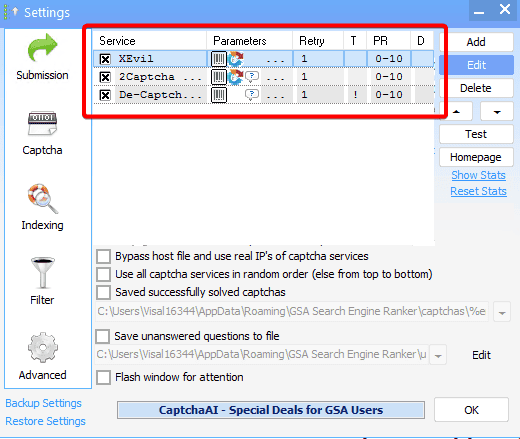
- Ignoring captcha services: Most sites on a global list will throw a captcha at registration or submission. Without a working captcha solver (2Captcha, CapSolver, etc.) integrated, your success plummets.
- One‑size‑fits‑all spun content: A spun article that reads like gibberish gets deleted immediately on ArticleMS and Joomla sites. Spend time on tiered, readable spun content or feed the project with quality articles.
- Overloading threads: Pushing 500+ threads on a single VPS with shared proxies often triggers rate limiting. Slow and steady wins the long‑term game.
Where to Get a Reliable GSA SER Global Site List
You can build your own list from scratch using GSA SER’s built‑in search and third‑party scrapers, but that process takes weeks and significant proxy resources. Most users prefer sourcing a verified pack. Common avenues include:
- SEO forums and marketplaces: BlackHatWorld, DigitalPoint, and similar communities have sellers who regularly update fresh global lists. Check feedback and sample verifications before purchasing.
- Dedicated GSA SER list services: Several paid sites specialise exclusively in monthly fresh GSA SER targets. They often include context‑based folders, country‑targeted lists, and automatic updates.
- Custom private sharing groups: Some masterminds or private groups build and maintain shared lists. This is often the highest quality because multiple users constantly prune and verify the data.
Frequently Asked Questions
What exactly is a GSA SER global site list?
A GSA SER global site list is a huge collection of URLs organised by engine type that are known to accept automated submissions. It feeds GSA Search Engine Ranker with pre‑verified targets so you don’t have to scrape them manually.
Is a global site list the same as a verified list?
Not always. A “global†list often implies it covers a wide range of platforms worldwide. A “verified†list means each target was tested for registration and posting success. The ideal GSA SER global site list combines both: broad platform coverage plus recent verification.
How often should I update my list?
Even the best list decays over time. Websites add anti‑spam measures, change scripts, or go offline. You should look for a fresh list at least once a month, or use a service that provides weekly updates. GSA SER can also automatically re‑verify sites, but fresh external lists keep your database alive.
Can I build my own global site list without buying one?
Absolutely. Use GSA SER’s built‑in search engines with footprints for each platform, combine multiple search engines, and let it run for days. Then export the verified items. However, expect high proxy costs and time. Many find that purchasing a click here foundational GSA SER global site list and then pruning/addding to it themselves is the most cost‑effective route.
Do I still need to use search engines in GSA SER if I have a list?
Not if your list is comprehensive and regularly updated. You can turn off the built‑in search in the project options. This makes the tool hyper‑focused on the imported targets and often increases submission speed and reduces proxy usage.
How many URLs should a solid global list contain?
Quality over quantity. A million unverified URLs are less valuable than 50,000 hand‑verified targets that actually post. A good GSA SER global site list typically ranges from 50,000 to 300,000 unique, verified, and categorised entries depending on the variety of engines included.
Maintaining Momentum with Your List
After you import a fresh GSA SER global site list, don’t just set it and forget it. Keep an eye on the submission logs. If you see a platform type consistently failing, it could mean the engine markers need updating or that a site group has recently patched its script. Periodically export your verified sites from successful projects to build your own ever‑improving list. Combine lists from different sources, weed out duplicates, and you’ll create a living asset that continuously improves your SER performance.